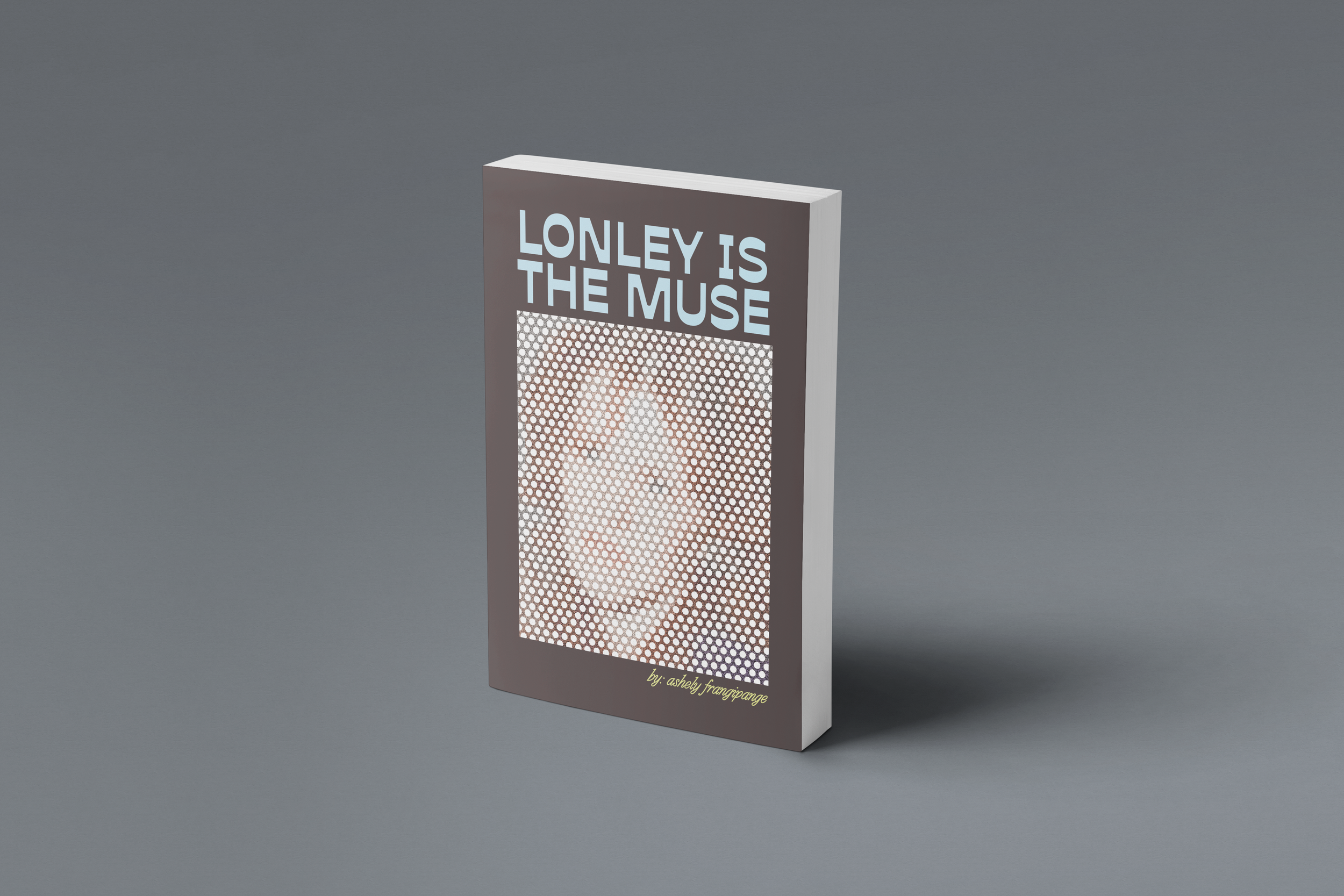
Lonely is the Muse - Book Cover
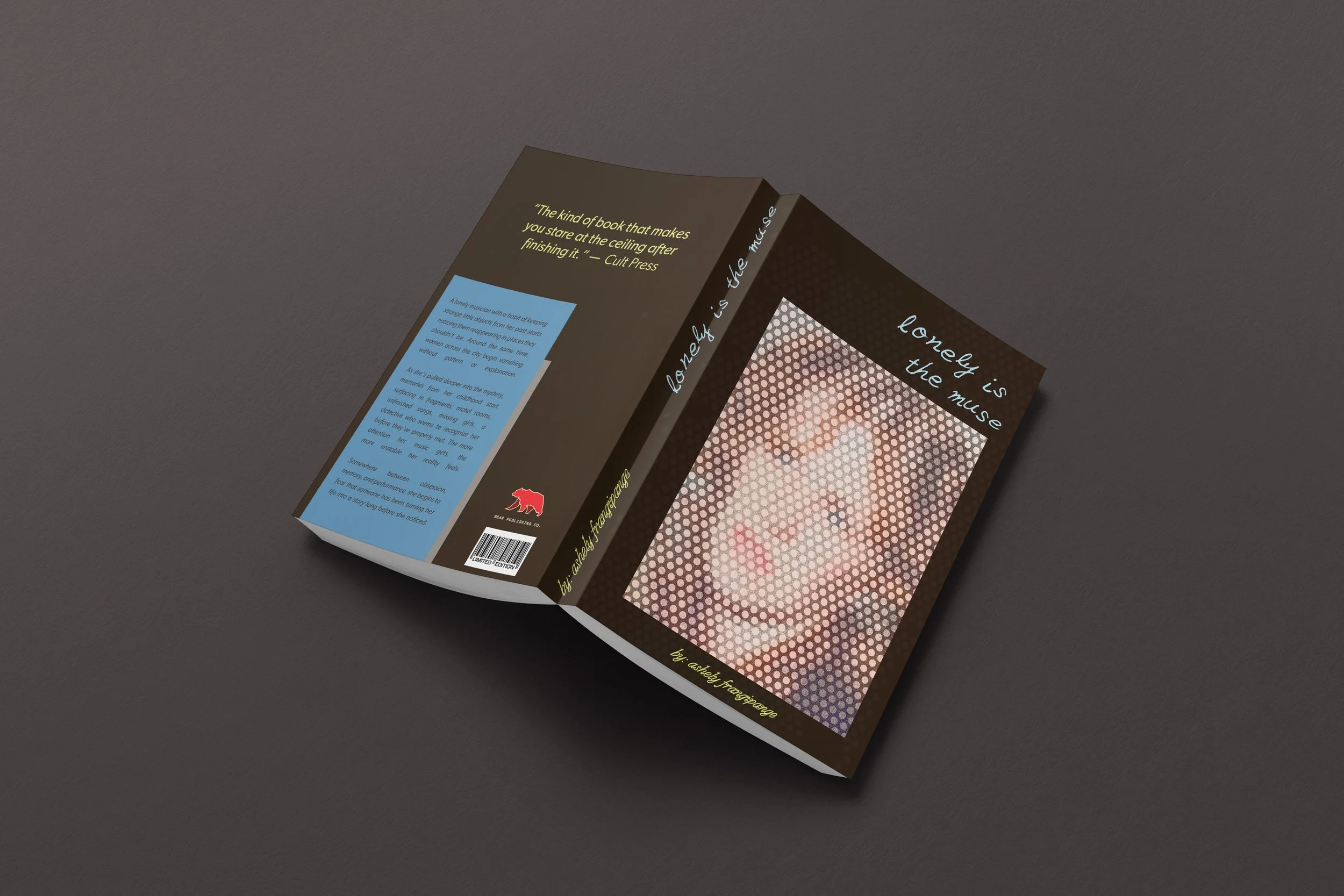
This project was inspired by “The Great Impersonator” and especially the atmosphere surrounding “Lonely Is the Muse” by Halsey. While the album itself influenced the emotional tone of the piece, I was most drawn to its aesthetics and themes of identity, loneliness, reinvention, and performance. I wanted to create my own fictional narrative inspired by those ideas rather than directly retelling her story. The result became a psychological mystery novel concept written under the name Ashley, referencing Halsey’s real first name and creating the feeling of a fictionalized alter ego.
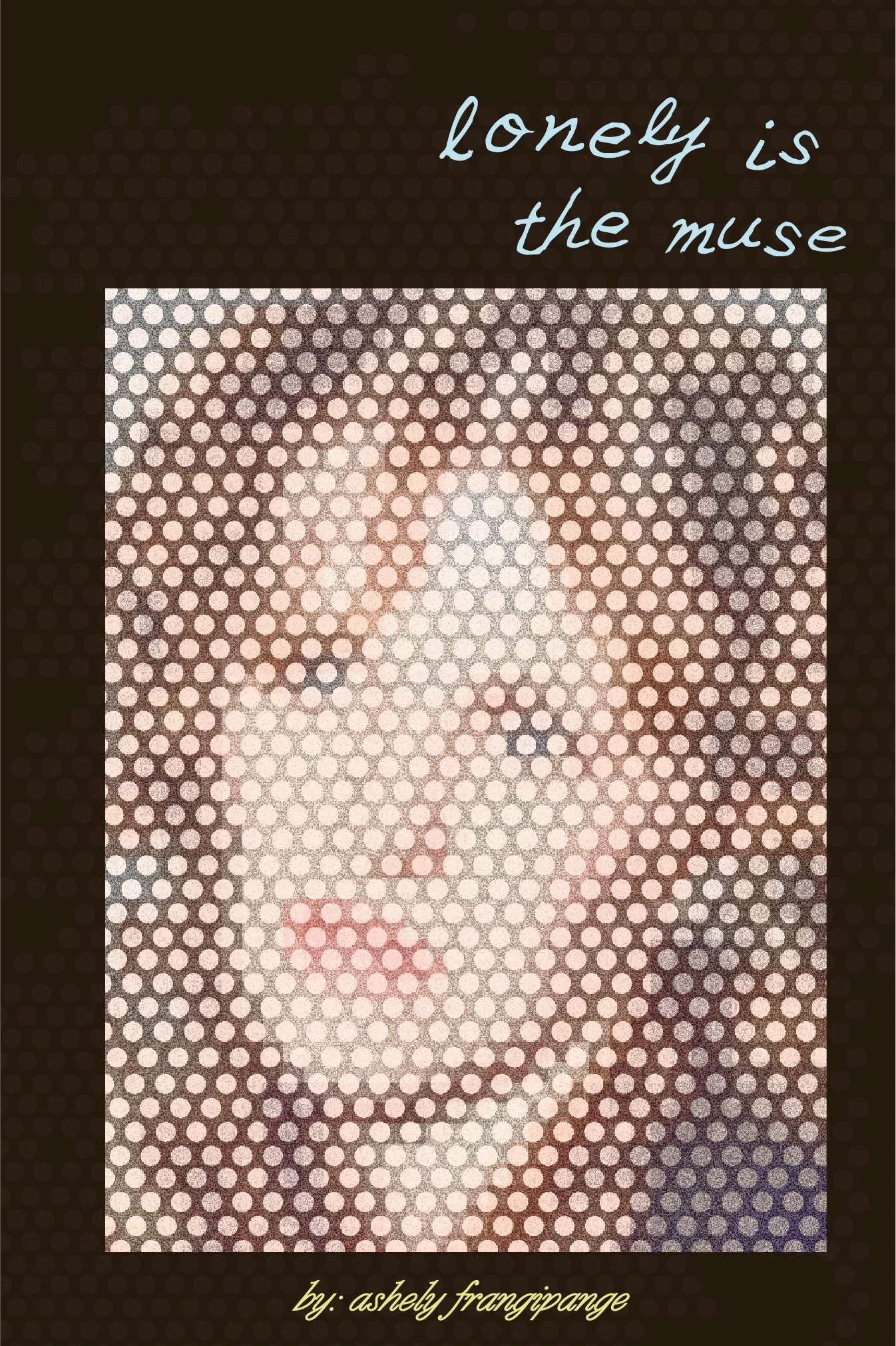
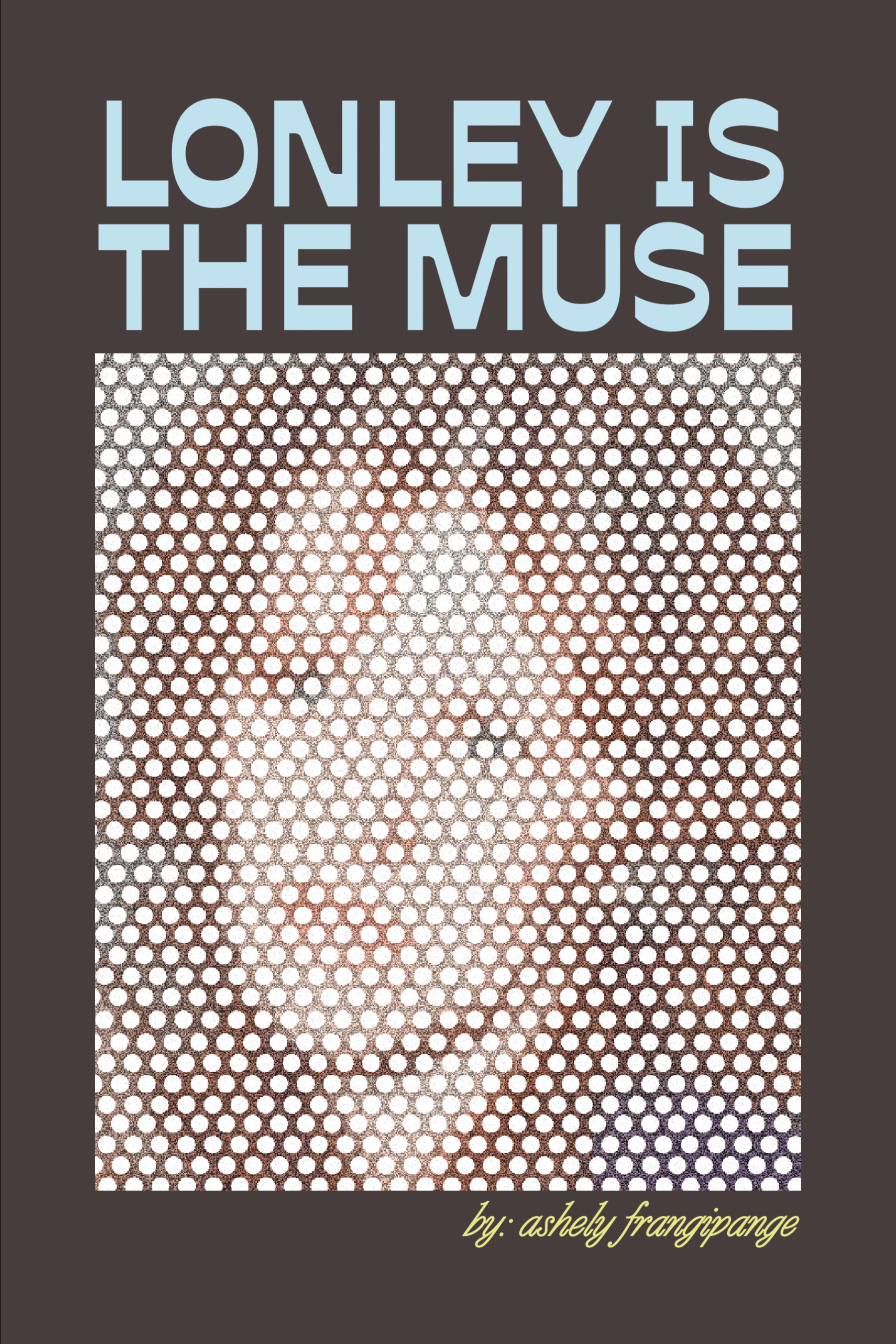
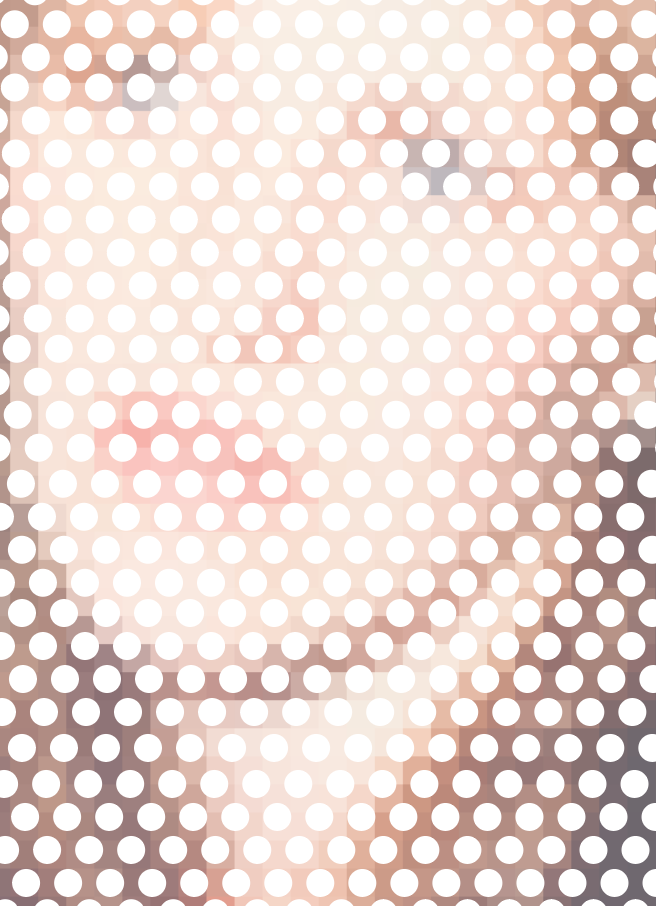
My original draft felt too washed out visually and lacked the distinct atmosphere I wanted the project to have. While the concept was there, the design felt too soft and empty to immediately pull viewers into the story. I realized I wanted the cover to feel more specific and immersive, especially for an audience drawn to psychological thrillers, eerie mystery podcasts, and slow-burn crime narratives.
As I revised the piece, I focused on creating a stronger emotional identity through color, texture, and composition. I deepened the browns and blues, added aged yellow tones, and introduced heavier grain and scattered dot textures to create a feeling that was slightly unsettling.
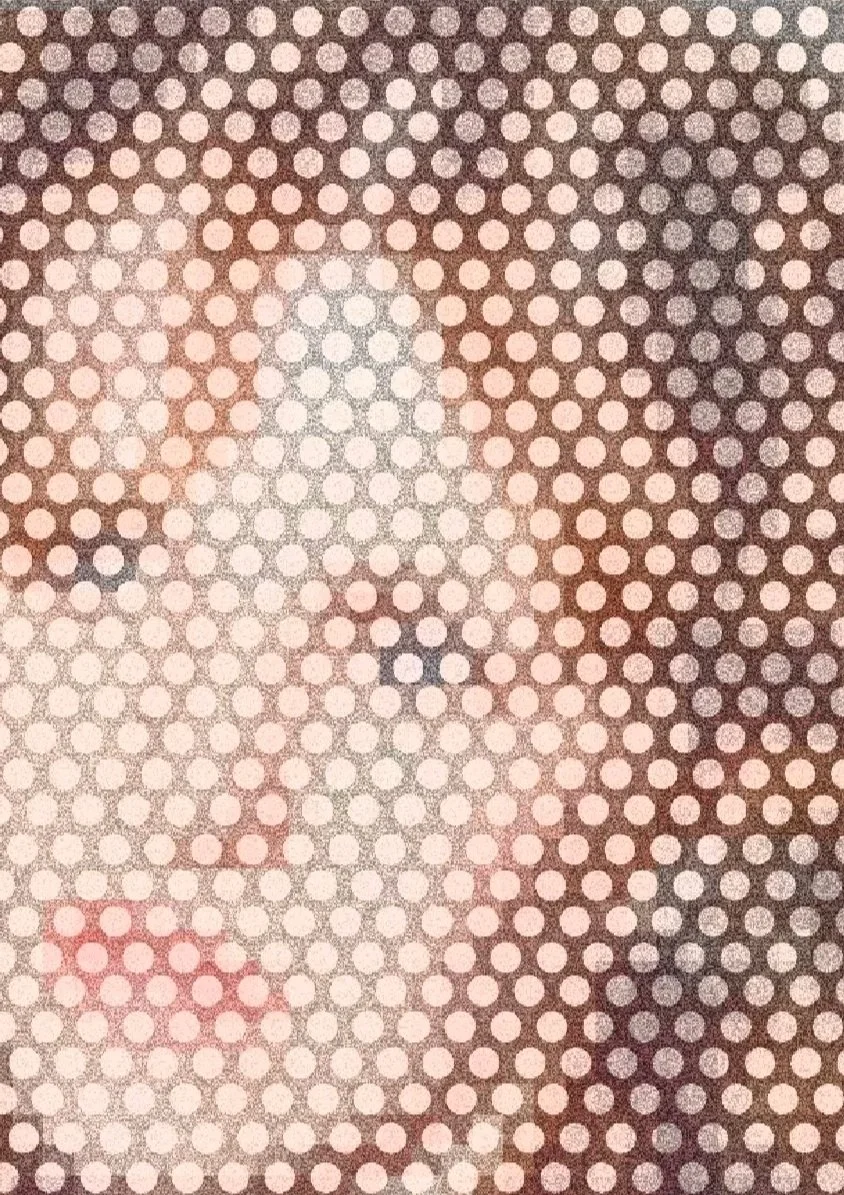
The visual direction pulls from eerie 1970s cabin horror and crime thrillers, channeling the quiet tension of films like The Silence of the Lambs while still feeling emotional and human. I used muted browns, washed yellows, and deep blues to create an aged, organic atmosphere that feels nostalgic at first glance but slightly unsettling the longer you look at it. I wanted the cover to feel worn in, almost like something found in an attic or hidden in an evidence box.
The scattered dots throughout the design intentionally remain open to interpretation. They can resemble camera flash grain, mold, pinholes in old paper, stars, fingerprints, decay, or fragmented memories depending on how the viewer reads the story. I liked the idea of including a visual element that quietly shifts meaning throughout the viewing experience, similar to the way clues evolve in psychological mysteries.